Sleep and It’s Importance in Sports Rehab

December 16, 2023

Sleep plays a crucial role in both rehabilitation and sports performance, especially in the context of physical therapy and sports rehabilitation. Adequate sleep contributes to optimal recovery by promoting tissue repair, muscle growth, and overall restoration of the body.


Research indicates that during sleep, the body releases growth hormone, essential for tissue repair and the synthesis of proteins crucial for muscle recovery. Additionally, deep sleep phases are associated with an increased release of testosterone, a hormone important for muscle development.


In the context of physical therapy and sports rehabilitation, sleep is linked to the body’s ability to heal and adapt to training. Poor sleep quality or insufficient sleep duration can impede the recovery process, potentially leading to increased susceptibility to injuries and delayed rehabilitation progress.


Furthermore, sleep impacts cognitive functions such as concentration, reaction time, and decision-making—crucial elements in sports performance. Athletes with optimal sleep patterns tend to exhibit better athletic performance, including improved speed, accuracy, and overall endurance.


Physical therapists often emphasize the importance of sleep hygiene in their rehabilitation programs. Establishing consistent sleep routines, creating a conducive sleep environment, and addressing sleep disorders contribute to more effective rehabilitation outcomes.


In sum, the scientific evidence underscores the integral role of sleep in both rehabilitation and sports performance. Integrating strategies to optimize sleep can significantly enhance the efficacy of physical therapy interventions and contribute to peak athletic performance.


August 12, 2024
Cupping therapy is an ancient technique that has been integrated into modern physical therapy to help alleviate pain, reduce inflammation, and enhance overall recovery. In my practice, I use cupping as part of a holistic approach to treat muscle tightness, improve blood flow, and accelerate the healing process. How Cupping Works: Cupping involves placing specialized cups on the skin to create suction. This suction helps to lift the skin and underlying tissues, promoting increased circulation to the affected area. The improved blood flow aids in reducing muscle tension, breaking up scar tissue, and encouraging the body’s natural healing processes. Benefits of Cupping Therapy: – Pain Relief: Cupping can help reduce muscle soreness and pain by releasing tightness and promoting relaxation. – Enhanced Recovery: By improving blood circulation, cupping accelerates the removal of metabolic waste from tissues, leading to quicker recovery times. – Flexibility and Mobility: Regular cupping sessions can improve joint and muscle flexibility, making it an excellent addition to your rehabilitation or performance enhancement program. What to Expect: During a cupping session, you may feel a pulling or stretching sensation as the cups create suction. It’s normal to experience some mild bruising or redness at the treatment sites, which typically fades within a few days. I ensure that each session is tailored to your specific needs, targeting areas that will most benefit from the therapy.
August 10, 2024
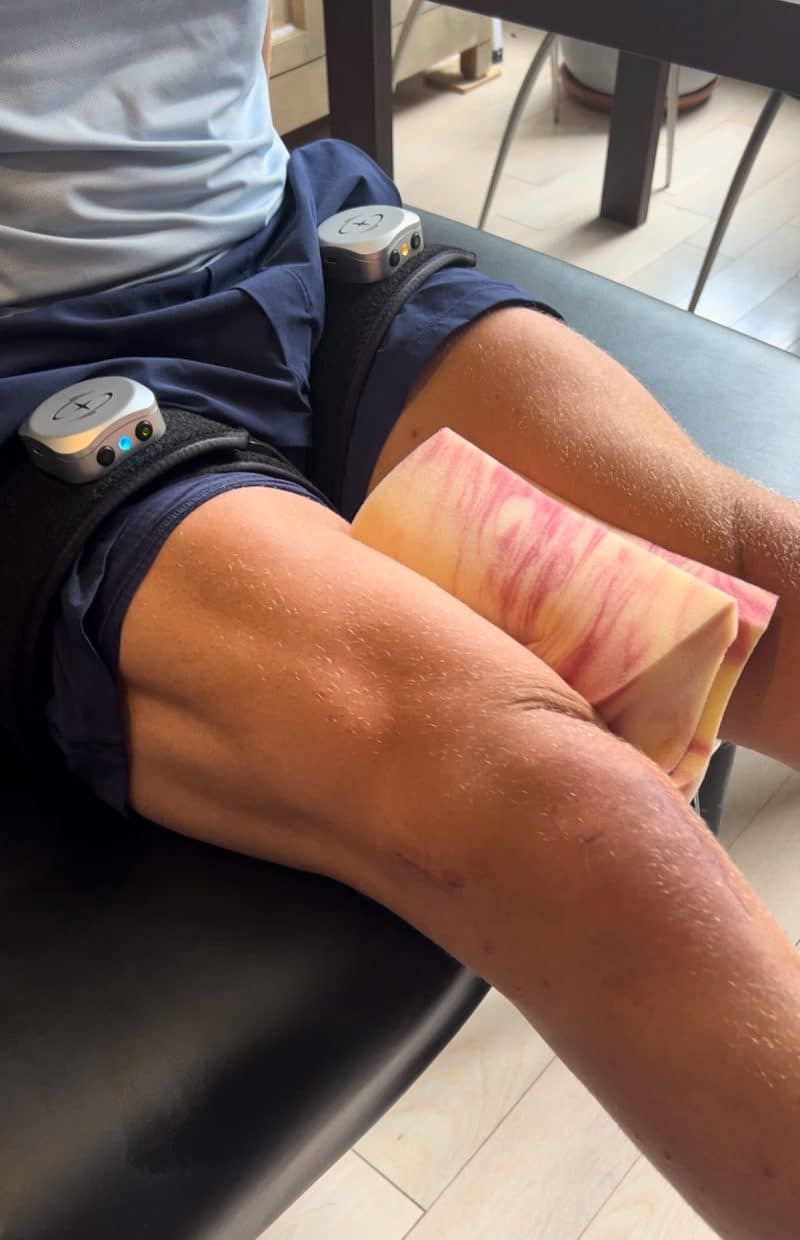
Blood Flow Restriction Training (BFRT) is a rehabilitation technique used to enhance muscle strength and growth by applying a cuff to partially restrict blood flow to a muscle during exercise. This method allows patients to gain the benefits of muscle hypertrophy and strength gains using low-intensity exercises. In physical therapy BFRT is particularly advantageous in settings where patients are recovering from injuries or surgeries, as it reduces the mechanical load on joints and tissues, minimizing the risk of re-injury.  The benefits and advantages of BFRT include: Muscle Strength and Growth : BFRT promotes muscle hypertrophy and strength gains even with low-intensity exercise, which is crucial for patients who cannot engage in high-intensity workouts. Accelerated Recovery : By enabling effective training at lower intensities, BFRT helps maintain muscle mass and strength during periods of limited mobility, aiding faster recovery. Reduced Joint and Tissue Stress : BFRT allows for significant muscle engagement without the high loads that could strain joints and soft tissues, making it suitable for patients with orthopedic issues or those recovering from surgeries. Versatility : BFRT can be applied to various body parts and adapted to different exercise modalities, making it a flexible tool in a therapist’s toolkit. Enhanced Safety : The low-intensity nature of exercises performed with BFRT reduces the risk of overtraining and injury, providing a safer rehabilitation option for patients at different fitness levels.
August 10, 2024
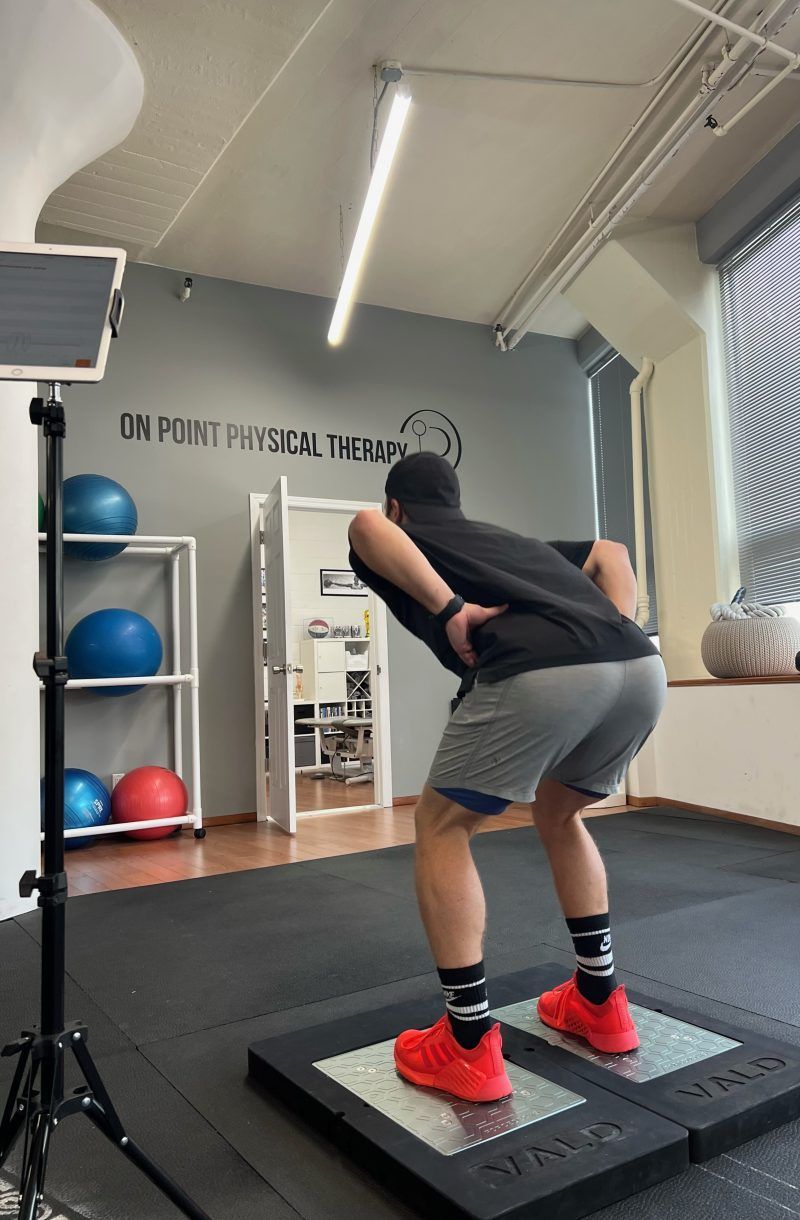
Force plates are a valuable tool in physical therapy, offering a range of benefits that enhance the quality of care and outcomes for patients. Here’s a detailed explanation of their advantages: – Objective Data Collection Force plates provide objective, quantitative data on ground reaction forces, which are essential for understanding how a patient’s body interacts with the ground during various activities. This data is critical for accurately assessing biomechanical performance and movement patterns, such as gait, balance, and jump dynamics. Unlike subjective assessments, force plates offer precise measurements, which lead to more accurate diagnoses and treatment plans. – Enhanced Assessment and Diagnosis With the detailed information force plates provide, physical therapists can identify subtle imbalances and asymmetries that might not be visible to the naked eye. For example, discrepancies in how much force each leg produces can indicate underlying issues, such as muscle weakness, joint instability, or improper technique. Early detection of these issues allows for timely intervention, potentially preventing more severe injuries. – Personalized Treatment Planning The data from force plates enables the creation of highly individualized rehabilitation and training programs. By understanding a patient’s specific movement deficiencies, therapists can tailor exercises and interventions to target these areas. This personalized approach increases the effectiveness of therapy, as interventions are specifically designed to address the patient’s unique biomechanical profile. – Progress Tracking and Outcome Measurement Force plates facilitate the objective tracking of a patient’s progress over time. By regularly assessing changes in force production, symmetry, and other key metrics, therapists can evaluate the effectiveness of treatment interventions. This ability to measure outcomes quantitatively helps in refining treatment plans and ensures that patients are making measurable improvements. – Injury Mitigation and Performance Enhancement For athletes and active individuals, force plates are particularly valuable for optimizing performance and preventing injuries. By analyzing the forces involved in specific sports movements, therapists can identify risky movement patterns that may predispose an athlete to injury. Interventions can then be designed to correct these patterns, enhance performance, and reduce the risk of future injuries. – Comprehensive Documentation and Communication The data collected from force plates can be documented and shared with other healthcare providers, coaches, or trainers, fostering a collaborative approach to patient care. This comprehensive documentation supports a continuum of care, ensuring that all parties involved have a clear understanding of the patient’s condition and progress. – Patient Education and Engagement Visual and numerical data from force plates can be a powerful tool in educating patients about their condition. When patients see the objective data, such as force distribution and asymmetries, they often gain a better understanding of their issues and the rationale behind their treatment plan. This understanding can enhance patient compliance and engagement in their rehabilitation process. Incorporating force plates into physical therapy practice elevates the standard of care by providing precise, objective data that enhances assessment accuracy, personalizes treatment plans, and tracks progress. This technology not only aids in injury prevention and performance enhancement but also fosters better communication and education, ultimately leading to improved patient outcomes.