My Own Story That Lead Me To Become A Physical Therapist

August 14, 2019

Every physical therapist has a unique personal story about why they decided to become a physical therapist. This is my story.


For as long as I can remember I have always been involved in sports. My parents (especially my dad) signed both my brother and I up for many sports classes starting from a very young age. Tennis, karate, and judo were just a few of them. However, it was swimming that my dad decided I was perfect for. I began taking swimming classes at the age of 4 and started competing in swimming around the age of 6. My dad was invested in my brother and I to becoming the best possible swimmers. There wasn’t anything fun or glamorous about this time honestly, as most days were spent in school and at the swimming pool. In my teenage years we traveled all around Israel for local and regional leagues and competitions. My brother and I did really well and I even became the top two in the nation in the backstroke at the age of 15.


From the age of 16 on, my interest in swimming dropped significantly as my love for basketball started to outweigh my love for swimming. Soon after I stopped swimming. This part of my competitive swimming life was over.


Around the time I stopped swimming, I started playing basketball on one of the local teams. To be honest I wasn’t very good – I spent most of the time on the bench and fairly quickly understood that my basketball talent would not take me far. At the same time my curiosity toward bodybuilding grew stronger as I had also started gaining weight from inactivity and poor diet. This is when I discovered the sport of bodybuilding. I was very invested in learning about everything related to bodybuilding, from nutrition to exercise, that I spent a lot of time reading books on the topic. It was around this time I joined the gym that was located in the country club where I had swam in the past. Luckily enough soon after I started working out, I met a former bodybuilding competitor and coach.


The amount of knowledge I gained from him has not been exceeded by anything else I have learned to this day. It was an exciting time for me. Without knowing it, this was my first introduction to physical therapy. My coach encouraged me to read and so I read many books and magazines in English. I even remember being one of the first Israeli customers to buy a bodybuilding book on Amazon.


Eventually I ended up studying computer software engineering before I joined the Israeli Air Force. I also spent many hours in the gym and hoped to keep developing my body throughout my service. I also kept playing basketball and football during my time off. And that is when my injuries started.


The first injury I sustained happened while I was playing football – flag football – while playing as a receiver I turned to receive the ball and heard a “pop”. The knee was so painful I couldn’t move. I had no idea what was going on until I made it to the doctor, who diagnosed me with a torn ACL and torn meniscus. At that time I had no idea what physical therapy was and what therapists did. But after this injury I certainly did – I had two surgeries on my left knee and I was treated by therapists before and after my surgeries (I have since also had two more surgeries on my knees). This experience led me to start thinking about the medical field as my go to field to study after I finished my military service.


During my last year in the Air Force, like most people in the Israeli Defense Force, I started to explore different career paths. Computer science wasn’t interesting to me anymore. I had grown bored of it, mostly I think because of how hard it seemed to directly connect and help other people in this field.


Nursing was my initial thought – my mom has been a nurse in Israel for over forty years now – and I believed at the time that nursing would fit me well, as my interest in helping others grew stronger during this period. My decision was not met with a lot of excitement from my parents and they suggested physical therapy instead. Eventually my mom introduced me to the son of someone she worked with, a therapist who had graduated from a physical therapy program in the Czech Republic. Long story short, this conversation and later on, many more, made me realize that physical therapy is what I always wanted to do.


My mind was set. I was going to be a physical therapist.


  • A profession that is closely related to sports, that I love and have experienced.
  • A profession that helps others to rehabilitate and overcome injuries, like I had experienced myself.
  • A profession that cares about the people around, as I believe I always have.

August 12, 2024
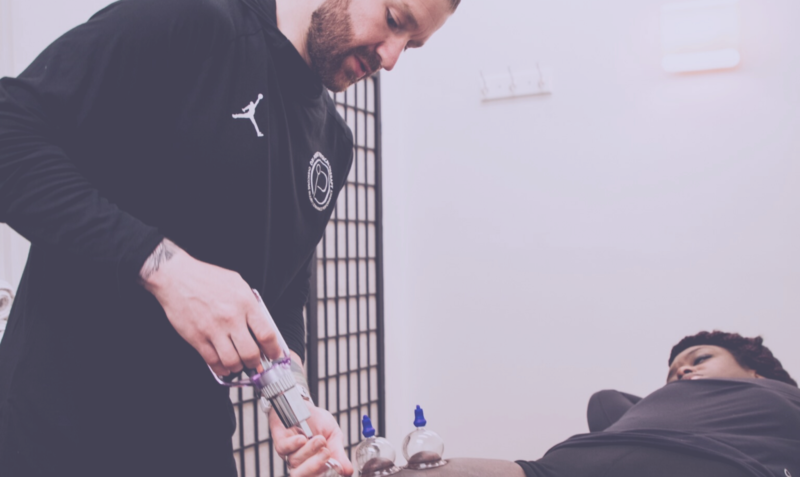
Cupping therapy is an ancient technique that has been integrated into modern physical therapy to help alleviate pain, reduce inflammation, and enhance overall recovery. In my practice, I use cupping as part of a holistic approach to treat muscle tightness, improve blood flow, and accelerate the healing process. How Cupping Works: Cupping involves placing specialized cups on the skin to create suction. This suction helps to lift the skin and underlying tissues, promoting increased circulation to the affected area. The improved blood flow aids in reducing muscle tension, breaking up scar tissue, and encouraging the body’s natural healing processes. Benefits of Cupping Therapy: – Pain Relief: Cupping can help reduce muscle soreness and pain by releasing tightness and promoting relaxation. – Enhanced Recovery: By improving blood circulation, cupping accelerates the removal of metabolic waste from tissues, leading to quicker recovery times. – Flexibility and Mobility: Regular cupping sessions can improve joint and muscle flexibility, making it an excellent addition to your rehabilitation or performance enhancement program. What to Expect: During a cupping session, you may feel a pulling or stretching sensation as the cups create suction. It’s normal to experience some mild bruising or redness at the treatment sites, which typically fades within a few days. I ensure that each session is tailored to your specific needs, targeting areas that will most benefit from the therapy.
August 10, 2024
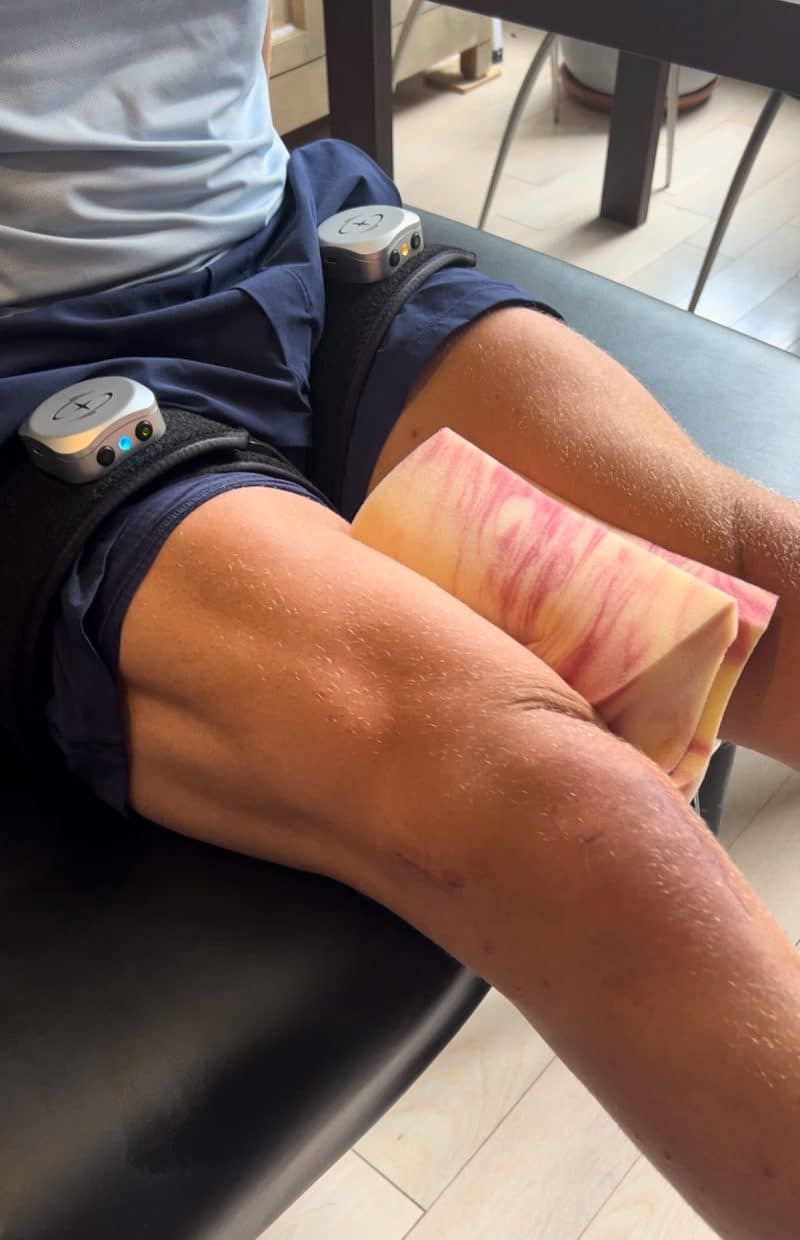
Blood Flow Restriction Training (BFRT) is a rehabilitation technique used to enhance muscle strength and growth by applying a cuff to partially restrict blood flow to a muscle during exercise. This method allows patients to gain the benefits of muscle hypertrophy and strength gains using low-intensity exercises. In physical therapy BFRT is particularly advantageous in settings where patients are recovering from injuries or surgeries, as it reduces the mechanical load on joints and tissues, minimizing the risk of re-injury.  The benefits and advantages of BFRT include: Muscle Strength and Growth : BFRT promotes muscle hypertrophy and strength gains even with low-intensity exercise, which is crucial for patients who cannot engage in high-intensity workouts. Accelerated Recovery : By enabling effective training at lower intensities, BFRT helps maintain muscle mass and strength during periods of limited mobility, aiding faster recovery. Reduced Joint and Tissue Stress : BFRT allows for significant muscle engagement without the high loads that could strain joints and soft tissues, making it suitable for patients with orthopedic issues or those recovering from surgeries. Versatility : BFRT can be applied to various body parts and adapted to different exercise modalities, making it a flexible tool in a therapist’s toolkit. Enhanced Safety : The low-intensity nature of exercises performed with BFRT reduces the risk of overtraining and injury, providing a safer rehabilitation option for patients at different fitness levels.
August 10, 2024
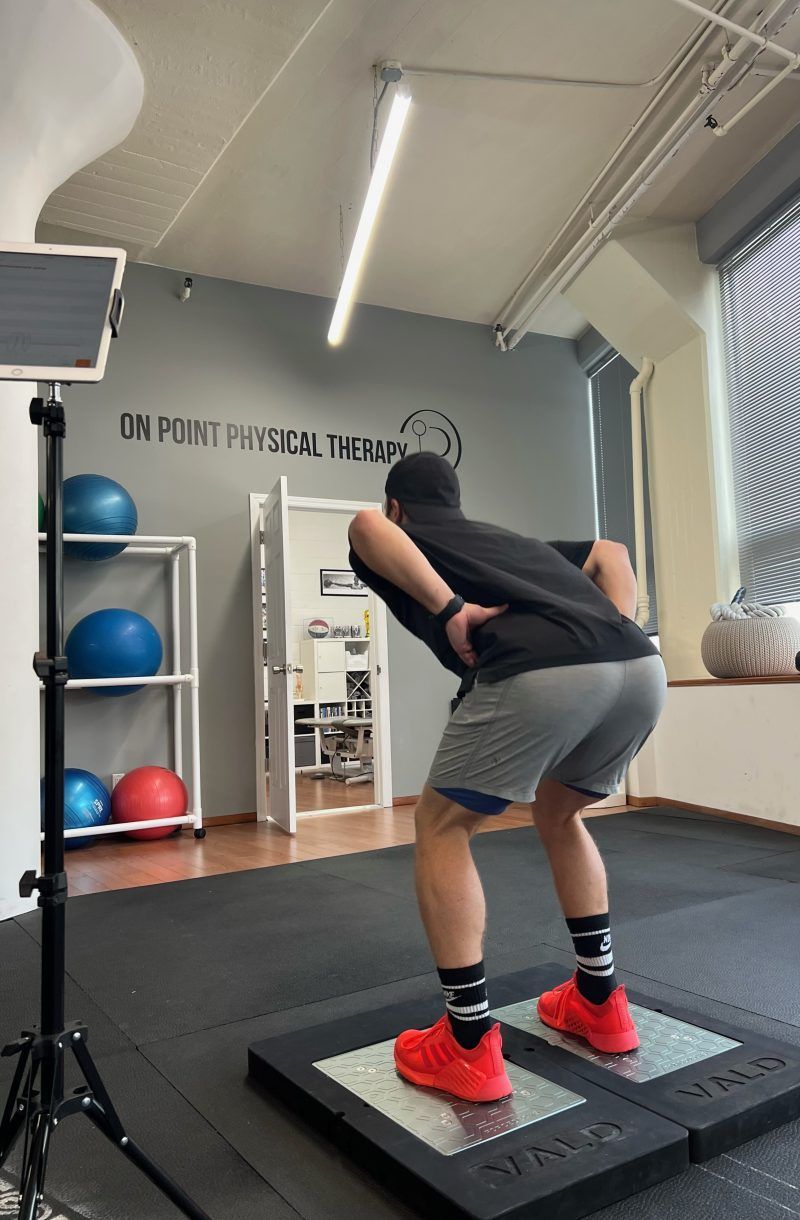
Force plates are a valuable tool in physical therapy, offering a range of benefits that enhance the quality of care and outcomes for patients. Here’s a detailed explanation of their advantages: – Objective Data Collection Force plates provide objective, quantitative data on ground reaction forces, which are essential for understanding how a patient’s body interacts with the ground during various activities. This data is critical for accurately assessing biomechanical performance and movement patterns, such as gait, balance, and jump dynamics. Unlike subjective assessments, force plates offer precise measurements, which lead to more accurate diagnoses and treatment plans. – Enhanced Assessment and Diagnosis With the detailed information force plates provide, physical therapists can identify subtle imbalances and asymmetries that might not be visible to the naked eye. For example, discrepancies in how much force each leg produces can indicate underlying issues, such as muscle weakness, joint instability, or improper technique. Early detection of these issues allows for timely intervention, potentially preventing more severe injuries. – Personalized Treatment Planning The data from force plates enables the creation of highly individualized rehabilitation and training programs. By understanding a patient’s specific movement deficiencies, therapists can tailor exercises and interventions to target these areas. This personalized approach increases the effectiveness of therapy, as interventions are specifically designed to address the patient’s unique biomechanical profile. – Progress Tracking and Outcome Measurement Force plates facilitate the objective tracking of a patient’s progress over time. By regularly assessing changes in force production, symmetry, and other key metrics, therapists can evaluate the effectiveness of treatment interventions. This ability to measure outcomes quantitatively helps in refining treatment plans and ensures that patients are making measurable improvements. – Injury Mitigation and Performance Enhancement For athletes and active individuals, force plates are particularly valuable for optimizing performance and preventing injuries. By analyzing the forces involved in specific sports movements, therapists can identify risky movement patterns that may predispose an athlete to injury. Interventions can then be designed to correct these patterns, enhance performance, and reduce the risk of future injuries. – Comprehensive Documentation and Communication The data collected from force plates can be documented and shared with other healthcare providers, coaches, or trainers, fostering a collaborative approach to patient care. This comprehensive documentation supports a continuum of care, ensuring that all parties involved have a clear understanding of the patient’s condition and progress. – Patient Education and Engagement Visual and numerical data from force plates can be a powerful tool in educating patients about their condition. When patients see the objective data, such as force distribution and asymmetries, they often gain a better understanding of their issues and the rationale behind their treatment plan. This understanding can enhance patient compliance and engagement in their rehabilitation process. Incorporating force plates into physical therapy practice elevates the standard of care by providing precise, objective data that enhances assessment accuracy, personalizes treatment plans, and tracks progress. This technology not only aids in injury prevention and performance enhancement but also fosters better communication and education, ultimately leading to improved patient outcomes.